 All posts
How to Organize a Moving Inventory Before Packing Day
Learn how to organize a moving inventory before packing day. Discover practical checklists, box tracking tips, and room-by-room strategies for a calmer move.
Corey Everett built Arclyst from a background in Library and Information Science, with the goal of bringing structured information management into everyday home life.
Gemini-assisted drafts are reviewed by Corey Everett before publication.
Publisher: EverCreate Studio
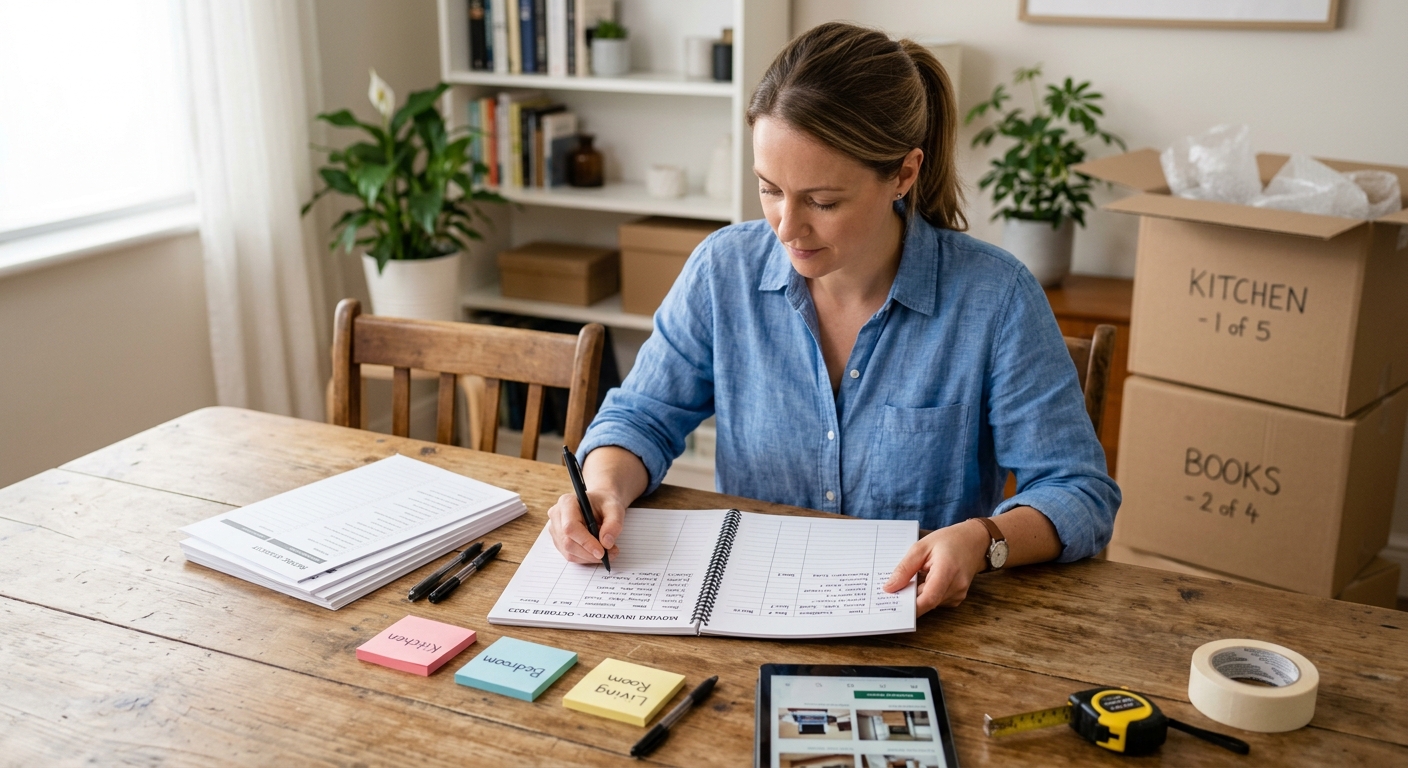
A moving inventory is a structured list of your household belongings. It helps you track what you own and what goes into each box. It also helps you verify that everything arrives safely at your new home. Moving to a new house often feels overwhelming and chaotic. A clear plan can significantly reduce that stress. Documenting your items before packing day keeps you organized. It ensures you know exactly where your favorite coffee mug or important documents are hiding.
Why should I create a moving inventory before packing?
https://arclyst.org/ai-home-inventory
Creating a moving inventory before packing helps you decide what to keep, track your boxes, and verify that everything arrives at your new home.
When you take time to catalog your space, you naturally find items you no longer need. Donating or selling these unused items significantly reduces your overall moving load. A lighter load can lower your moving costs and save you valuable time. An inventory also provides a clear, reliable record of your personal belongings. If a box goes missing during transit, your list shows exactly what was inside. A detailed record may help if you need to file a claim with your moving company. Remember that an inventory does not replace an appraisal, but it serves as a helpful reference.
Moving to a new home involves dozens of complicated logistics and moving parts. Knowing your belongings are documented reduces your daily packing anxiety. You can then focus your energy on logistics like utility transfers and address changes.
How do I organize my belongings for a move room by room?
Organize your belongings by tackling one room at a time, categorizing items, and logging them before they go into boxes.
Starting your inventory process early prevents a stressful last-minute rush. Begin with areas you use least often. Storage spaces, guest rooms, and attics are great starting points. This approach builds your momentum before you tackle busy areas like the kitchen. Sorting through memories and old keepsakes can easily slow you down. Set a timer for each room to stay focused on your primary goal. Dedicate a specific staging area in your home for items you plan to donate.
Follow this practical checklist to keep your room-by-room process on track: https://arclyst.org/home-inventory-checklist
- Start in storage areas like the attic, garage, or guest bedroom to build momentum.
- Group similar items together, such as books, winter clothing, or small electronics.
- Take clear photos of valuable items, noting their current physical condition.
- Record serial numbers for high-value electronics, tools, and kitchen appliances.
- Set aside items to donate, sell, or discard before adding them to your inventory list.
Grouping items before packing makes the unpacking process much smoother. You will not have to guess which box holds your winter coats.
What is the best way to track box contents during packing day?
The best way to track box contents is to assign each box a unique number and list the specific items packed inside it in your inventory.
Labeling a box with just a room name is often not enough. The label "Kitchen" could mean silverware or heavy baking dishes. Instead, give every box a specific number and a brief description. Write this information clearly on multiple sides of the cardboard box. Next, log that box number directly into your moving inventory. List the primary items in that box.
You can also take a quick photo of the open box before you tape it shut. This visual record helps you remember exactly how you packed the items. It also helps you prioritize which boxes to open first at your new house. You can combine box numbers with colored tape for extra clarity. Assign a specific color to each room in your new home. This helps movers know exactly where to place each box when they arrive. Your inventory ties the color and number to the exact contents.
How should I document high-value items before moving?
https://arclyst.org/serials-and-warranties
Document high-value items by taking close-up photos, recording serial numbers, and noting their condition before they leave your current home.
Certain belongings require extra attention and care during a move. Televisions, computers, antiques, and jewelry fall into this special category. Take clear photos of these items from multiple different angles. Capture any existing scratches or dents to create a baseline record. Keep in mind that a photo does not prove ownership or reveal warranty coverage. Record and review receipts and warranty details separately.
You may want to transport your most valuable or fragile items in your own vehicle. This keeps them under your direct supervision throughout the move. Keep your manuals, appraisals, and receipts in a dedicated, secure folder. Do not pack this important folder in a random moving box. Keep it with your personal travel bags for easy access.
How can a digital tool help me manage my moving inventory?
A digital tool helps you manage your moving inventory by turning photos of your belongings into searchable records that you can easily update.
Paper lists are incredibly easy to lose during a chaotic move. Spreadsheets can be difficult to update on your phone while you are taping boxes. An app like Arclyst can help streamline this entire process. You can snap photos of your items, and the app helps categorize them. AI features can help identify objects, but you should always review AI-generated details for accuracy. You can add notes about which box contains which specific item.
The app can also generate estimated values for your logged belongings. These estimated values are editable estimates, not professional appraisals. You can easily share a digital inventory with family members. This lets multiple people help pack and log items at the same time. A digital record can provide peace of mind as you transition to your new home.
What are common questions about moving inventories?
Common questions about moving inventories usually involve timing, how much detail to include, and how to handle unpacking.
When should I start my moving inventory? Start your inventory at least a few weeks before your move. This gives you plenty of time to declutter and document items without feeling rushed.
Do I need to record every single item I own? You don't need to record every spoon or pair of socks. Focus on high-value items, electronics, furniture, and grouped categories like winter clothing.
*Can an inventory help if items are damaged in transit? *** An inventory with pre-move condition photos may be useful if you need to discuss damage with your movers. Always check your moving company's specific policies and claims process.
How do I use my inventory when unpacking? Keep your digital or printed inventory handy as you unload boxes. Check off each box number as it arrives in the correct room.
**What should I do with my inventory after the move? **** Keep your records updated as you settle into your new space. A moving inventory easily transitions into a standard home inventory for future reference.
Ready to simplify your packing process? Try Arclyst to start building your digital moving inventory today. https://arclyst.org
Related guides
Want a frictionless way to catalog what you own? Try Arclyst — free for 55 items. Snap a photo, AI fills in the details.