 All posts
The 7-step home inventory every renter should keep
Build a complete renter home inventory in 7 practical steps. Document your apartment, secure proof of ownership, and maximize your insurance claim.
Corey Everett built Arclyst from a background in Library and Information Science, with the goal of bringing structured information management into everyday home life.
Gemini-assisted drafts are reviewed by Corey Everett before publication.
Publisher: EverCreate Studio
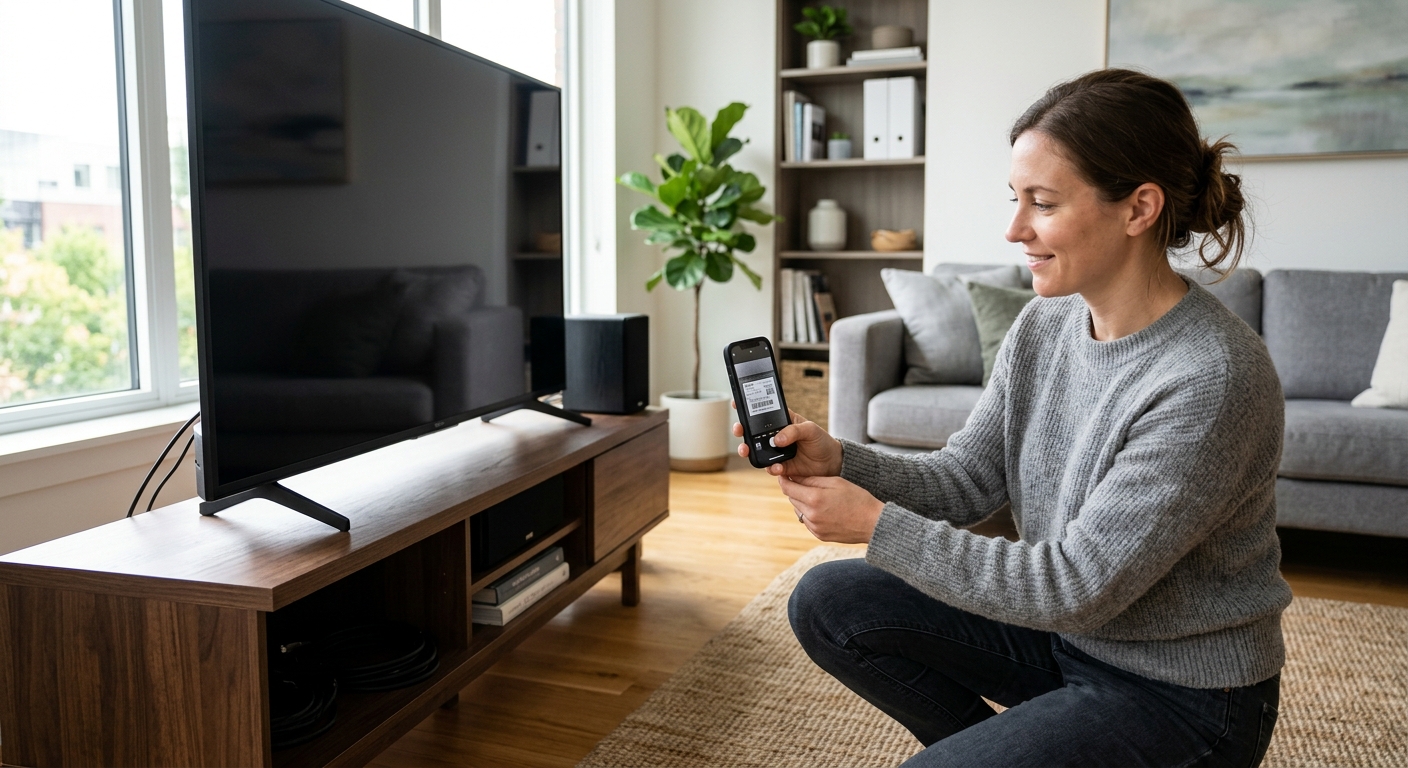
A renter home inventory is a record of personal belongings, with photos, identifying details and purchase documents where available.
Renters insurance protects your belongings, but only if you can prove what you owned before a fire, theft, or pipe burst. Building a renter home inventory is the only way to guarantee a fair payout when disaster strikes. Here is a practical, seven-step process to document your apartment and secure your claim.
TL;DR
- Insurance adjusters require proof of ownership and value for every item claimed.
- Start your inventory with high-value electronics, then work down to closets and drawers.
- Always capture serial numbers, model names, and receipts to ensure accurate replacement cost.
- Document items stored off-site or in your vehicle, as renters insurance often covers them.
- Keep your apartment inventory list in the cloud so it survives physical damage to your rental.
- Use apps with AI scanning to speed up the documentation process.
The renter burden of proof
When you rent an apartment, the landlord's insurance covers the physical building. Your renters insurance covers your personal property. But if a break-in occurs, the insurance company does not simply write a blank check based on your coverage limit.
You carry the burden of proof. You must prove that you owned the stolen or damaged items. You must also prove their specific value.
If you claim a stolen $1,200 espresso machine, the adjuster will ask for a receipt, a serial number, or a clear photograph. Without documentation, they may deny the claim entirely or substitute the value of a generic $40 coffee maker. A detailed apartment inventory list bridges the gap between what you lost and what the insurance company pays.
Understanding your policy type is also critical here. Actual Cash Value (ACV) policies pay you what the item is worth today, minus depreciation. Replacement Cost Value (RCV) policies pay you what it costs to buy a brand-new equivalent item today. Regardless of which policy you hold, detailed proof of ownership is required to maximize your payout.
For more details on navigating the adjuster process, read our insurance claim guide.
Step 1: Which belongings should you document first?
Start with high-value electronics, then capture their photos, model details, serial numbers and available purchase records.
Do not try to document your entire apartment in one sitting. Start with the items that cost the most to replace. Electronics are the most common targets for theft and are highly susceptible to water damage from plumbing failures.
Walk through your apartment and document:
- Laptops, desktop computers, and monitors
- Televisions and soundbars
- Gaming consoles and VR headsets
- Cameras and lenses
- Smart home hubs and premium speakers
Take a clear photo of each item in its normal location. This wide shot proves the item was actually in your apartment and establishes its general condition.
Next, take close-up photos of any expensive peripherals. A standard computer setup might include a $150 mechanical keyboard, a $100 ergonomic mouse, and $200 worth of specialized cables. If you only photograph the monitor, the adjuster will not compensate you for the accessories.
Step 2: Photograph closets and drawers
Renters consistently underestimate the value of their clothing. Replacing an entire wardrobe out of pocket can easily cost thousands of dollars. If a fire destroys your bedroom, you will need to replace everything from winter coats to underwear.
You do not need to photograph every single pair of socks. Instead, use the grouping method for basic items. Open your closet doors and take wide, well-lit photos showing the volume of clothing. Open your dresser drawers and photograph the stacks of t-shirts and jeans.
For high-value items, use the individual method. Take dedicated photos of winter coats, designer shoes, tailored suits, and expensive handbags. Capture the brand tags clearly. An adjuster needs to see the specific label to authorize a payout for a $300 jacket instead of a $50 basic alternative.
Step 3: Capture receipts and appraisals
Photos prove you possessed an item. Receipts prove what you paid for it.
Gather your physical receipts for major purchases. Flatten them out and photograph them in good lighting. For digital purchases, search your email history and take screenshots of the order confirmations from retailers like Amazon or Best Buy.
If you no longer have the receipt, log into your credit card portal or bank account and download the statement showing the transaction. Attach these financial records directly to the item profiles in your renter home inventory.
If you own fine jewelry, musical instruments, or rare collectibles, standard renters insurance usually caps the payout limit. You often need a separate rider (sometimes called scheduled personal property) and a formal appraisal to fully cover these items. Photograph those appraisal documents and store them alongside your inventory data.
Step 4: Log serial numbers and model names
A photograph of a television proves you own a television. It does not prove you own a 65-inch OLED display with specific smart features.
Serial numbers and model names are the exact data points adjusters use to determine replacement cost. Turn your electronics around and photograph the manufacturer sticker on the back. Do the same for kitchen appliances like stand mixers, microwaves, and air purifiers.
Finding these numbers can sometimes be tricky. Check the back panel of televisions, the bottom casing of laptops, and the inside door frame of microwaves. For bicycles, the serial number is usually stamped under the bottom bracket where the pedals attach.
If you use a tool like Arclyst, the AI can automatically extract the text from these stickers and log the serial numbers to the item profile, saving you from typing out long strings of digits.
Step 5: Document off-site storage and vehicles
Many renters utilize basement storage cages, off-site storage facilities, or keep valuable items in their cars. Renters insurance policies frequently extend coverage to your personal property even when it is not inside your physical apartment.
If your laptop is stolen from the trunk of your car, your auto insurance will not cover it. Your renters insurance will.
Do not forget to inventory these secondary spaces. Because you visit storage units less often, you are less likely to remember exactly what is inside if a flood or fire destroys the facility.
Open every plastic bin in your storage unit. Photograph the contents. Document camping gear, seasonal decorations, off-season clothing, and spare furniture. For your vehicle, document any emergency kits, dash cameras, or expensive sports equipment you keep in the trunk.
Step 6: Update after major purchases
A renter home inventory is only useful if it is accurate. If you documented your apartment in 2021, but bought a new MacBook and a customized sofa in 2023, your inventory is severely outdated.
Make it a habit to update your list whenever you bring a major purchase into your home. You do not need to update your inventory every time you buy groceries or a new paperback book, but you should track anything that costs more than $100 to replace.
- Keep the digital receipt in a dedicated email folder.
- Snap a photo of the item as you unbox it.
- Photograph the serial number before you push the appliance against the wall or mount the TV.
Many renters find it helpful to do a quick 15-minute inventory review twice a year, usually after the holidays or right after spring cleaning.
Step 7: Store your inventory in the cloud
Writing your inventory in a paper notebook is a critical mistake. If your apartment catches fire, the notebook burns with it. Saving a spreadsheet to your laptop's hard drive is equally risky if the laptop is stolen or destroyed in a flood.
Your apartment inventory list must live in the cloud. You need to be able to access it from a borrowed phone or a library computer if you lose everything.
Use a dedicated home inventory app that syncs automatically. This ensures your data, photos, and receipts are always backed up. When you need to file a renters insurance claim, a cloud-based system allows you to immediately export your records and send them to your adjuster, speeding up your payout by weeks.
A quick apartment inventory checklist
To keep you on track, here is a room-by-room breakdown of easily forgotten items. For a more comprehensive breakdown, view our full home inventory checklist.
Living Room
- Rugs and window treatments
- Coffee table books and vinyl records
- Custom furniture, lamps, and side tables
- Board games and entertainment media
Kitchen
- Stand mixers, blenders, and espresso machines
- Matching dishware sets and expensive cutlery
- Spices, oils, and pantry staples (these add up quickly)
- Pots, pans, and specialized bakeware
Bedroom
- Mattresses, bed frames, and headboards
- High-thread-count linens, duvets, and pillows
- Jewelry, watches, and accessories
- Window AC units or space heaters
Bathroom
- Electric toothbrushes and razors
- Hair dryers and styling tools
- Expensive cosmetics, skincare, and perfumes
- Bath towels and bathmats
Home Office & Hobby Gear
- Printers, scanners, and shredders
- Office chairs and standing desks
- Musical instruments and sheet music
- Bicycles, golf clubs, and yoga gear
FAQ
Does renters insurance cover my roommate's belongings?
Generally, no. A standard renters insurance policy only covers the policyholder's personal property. Your roommate needs to purchase their own policy and build their own renter home inventory. If you share ownership of a major item, like a living room television or a high-end sofa, document your specific financial share of the purchase and keep the receipt proving you paid for half.
How long does it take to make an apartment inventory list?
If you use a digital app and focus on broad photos for bulk items (like clothing) and specific photos for high-value items, you can inventory a standard two-bedroom apartment in about two hours. You do not need to do this all at once. Try documenting one room per evening over the course of a week.
Do I need a receipt for every single item?
No. Adjusters understand that people do not keep receipts for every t-shirt, coffee mug, or paperback book. Broad photographs are usually sufficient for standard household goods. However, you should prioritize finding receipts for electronics, jewelry, furniture, and any individual item worth more than $500.
What happens if I do not have a renter home inventory during a claim?
You will have to rely on your memory to list everything you lost, which is incredibly difficult after a traumatic event like a fire. Without photos or receipts, the insurance adjuster will likely apply the lowest possible replacement value to your claimed items, or they may deny certain items entirely due to lack of proof.
Does renters insurance cover items stolen from my car?
Yes, in most cases. Auto insurance covers the vehicle itself, but renters insurance covers your personal property inside the vehicle. If a thief smashes your car window and steals your laptop and gym bag, your renters insurance policy is the one that will cover the replacement cost of those items. This is why documenting items stored in your car is essential.
Simplify your renter home inventory
Documenting your apartment does not have to mean building a massive, manual spreadsheet or spending hours typing out serial numbers.
Arclyst allows you to photograph your belongings and let AI handle the heavy lifting. The app automatically identifies items, categorizes them by room, and logs text from receipts and serial number stickers. When you need to file a claim, you can generate a complete PDF Claim Pack in seconds, giving your adjuster exactly what they need to approve your payout.
You can document up to 55 items completely free. Start free at arclyst.org and secure your proof of ownership today.
Related guides
Want a frictionless way to catalog what you own? Try Arclyst — free for 55 items. Snap a photo, AI fills in the details.